
How to Claim Compensation for Delayed Flights in the UK: An Explainer
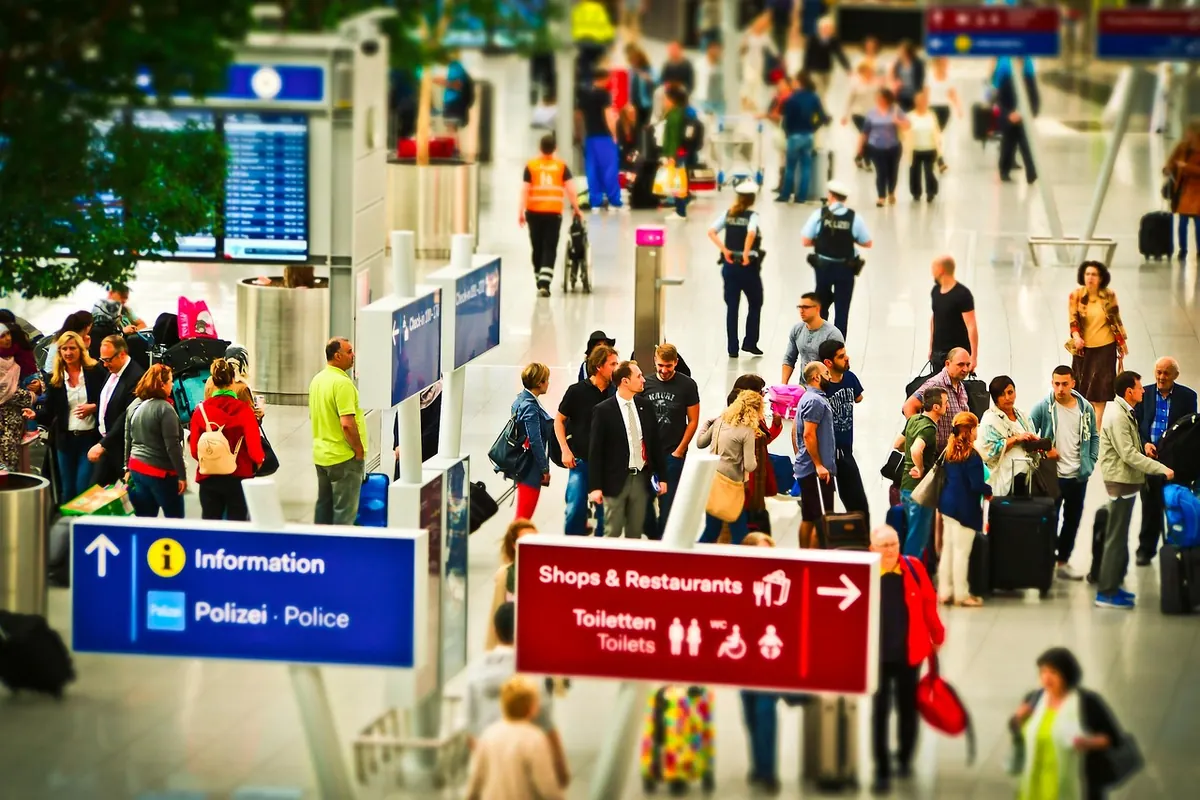
Your flight lands two hours late and the airline hands out a lukewarm meal voucher. Most passengers assume that is the end of it. In fact, UK law gives travellers a straightforward right to cash compensation on many delayed and cancelled flights — but nobody is going to knock on your door to offer it. The rules are precise, the exemptions are genuine, and the outcome usually depends on whether you kept your paperwork and asked clearly. Here is how the system works and how to get what you are owed.
Which flights are covered
The rules come from a retained version of EU Regulation 261/2004, usually called UK261. It applies to:
- Flights departing from a UK airport, on any airline, British or foreign.
- Flights arriving at a UK airport on a UK airline.
Not covered: a flight that both departs and lands outside the UK on a non-UK carrier, and any journey where the UK is simply a stopover. You also need a confirmed booking, you must have checked in on time, and the fare has to be available to the public — free staff travel and similar arrangements sit outside the scheme.
One detail people miss: if you booked a connecting trip as a single booking, the whole journey counts as one flight. The clock runs to your final destination, not the first place you touched down. A two-hour hop followed by a four-hour wait in Amsterdam is a four-hours-plus delay if you were ticketed through.
When compensation is due
For a delay, the trigger is arriving at your final destination three hours or more after the scheduled time. The amount depends on distance:
- Up to 1,500 km: £220
- 1,500 to 3,500 km: £350
- Over 3,500 km: £520
There is one quirk. On long-haul routes over 3,500 km, if you arrive between three and four hours late, the amount can be halved to £260.
Cancellations work slightly differently. If the airline told you less than 14 days before departure, compensation is normally payable — unless it offered a reroute that got you there close to your original arrival time. Being bumped because a flight was overbooked counts too, under the same rules.
The "extraordinary circumstances" defence
This is where most claims die, and where airlines lean hardest. A carrier can refuse to pay if the disruption was caused by something outside its control that could not have been avoided. Genuine examples include severe weather, air traffic control restrictions, airspace closures, security alerts, bird strikes and medical emergencies on board.
What does not usually qualify: routine technical faults, crew shortages, turnaround problems and strikes by the airline's own staff. A vague reference to "operational reasons" is not a legal argument — ask for the specific cause in writing and, if it looks thin, push back.
Case law in this area is genuinely complicated, so if your claim is substantial and keeps being refused, a short consultation with a solicitor is money well spent.
Care costs come on top
Separate from compensation, airlines owe you practical assistance during a long delay: meals and refreshments, a means of contacting people, and hotel accommodation with transfers if you are stranded overnight. This duty applies even when the disruption was genuinely extraordinary and no compensation is payable.
If the airline fails to arrange it, pay for reasonable things yourself and claim it back with receipts. Keep it sensible — a mid-range hotel room and a taxi, not a suite and a chauffeur. Reasonable is a word that gets tested, and so does the rule that you can abandon a trip delayed by five hours or more at departure and take a refund instead.
How to claim, step by step
- Collect the evidence. Boarding passes, booking confirmation, receipts, a screenshot of the airline's own delay notice and something showing your actual arrival time.
- Work out what you are owed. Note the flight distance, the length of the delay and the correct figure.
- Write to the airline. Use its online form if there is one, but save a copy of everything. Include the flight number, date, route and booking reference, and state plainly: "I am claiming compensation under UK Regulation 261/2004."
- Set a reminder. Around eight weeks is a reasonable window before you escalate.
- Escalate if needed. A firm follow-up letter, referencing your original claim, often does the trick.
Two practical tips. Claim yourself — regulated claims firms take a slice of your payout, and the form is not difficult. And if the airline offers a voucher, read the wording before accepting; a goodwill gesture is not the same as a full and final settlement, but some are drafted to look like one.
If the airline says no
Ask for the refusal in writing with the specific reason. If you are unsatisfied, you can refer the case free of charge to the Civil Aviation Authority (for flights departing the UK) or to an approved alternative dispute resolution body such as AviationADR or CEDR. Neither will pay you directly, but they can pressure an airline into settling, and the CAA can take enforcement action.
The final option is the small claims court. In England and Wales you can file online through Money Claim Online; Scotland and Northern Ireland have their own simple procedures. The time limits are generous: six years in England, Wales and Northern Ireland, and five in Scotland. That means an old boarding pass in a drawer may still be worth something.
A few habits worth keeping
Photograph your boarding pass and any delay notice before you leave the airport. Turn on the airline's app notifications so you have a timestamped record of what you were told and when. If you are stuck at a gate with no information, ask staff for written confirmation of the reason — a name, a time and a sentence is enough. Book direct where you can, because agents sometimes go quiet when a claim is in play, and check that your travel insurance covers delay expenses rather than assuming it does. Then, when something goes wrong, claim within a couple of weeks rather than a couple of years. Airlines respond faster to passengers who are organised, and the rules are on your side more often than most travellers realise.
Photo: 652234 / Pixabay